
GS1 Standards and Sustainability Data: Why They Are Important for DPP and Traceability
For many companies, GS1 is still associated solely with standard barcodes. However, today it is a powerful global standards system that ensures product identification, traceability, and data exchange function flawlessly throughout the supply chain.
With new EU sustainability and Digital Product Passport (DPP) requirements on the horizon, GS1 is becoming a strategic tool. UAB “VYGĖJA” helps take your data management to the next level and ensures you’re fully prepared for the digital future.

Digital Traceability: Why Is GS1 Essential?
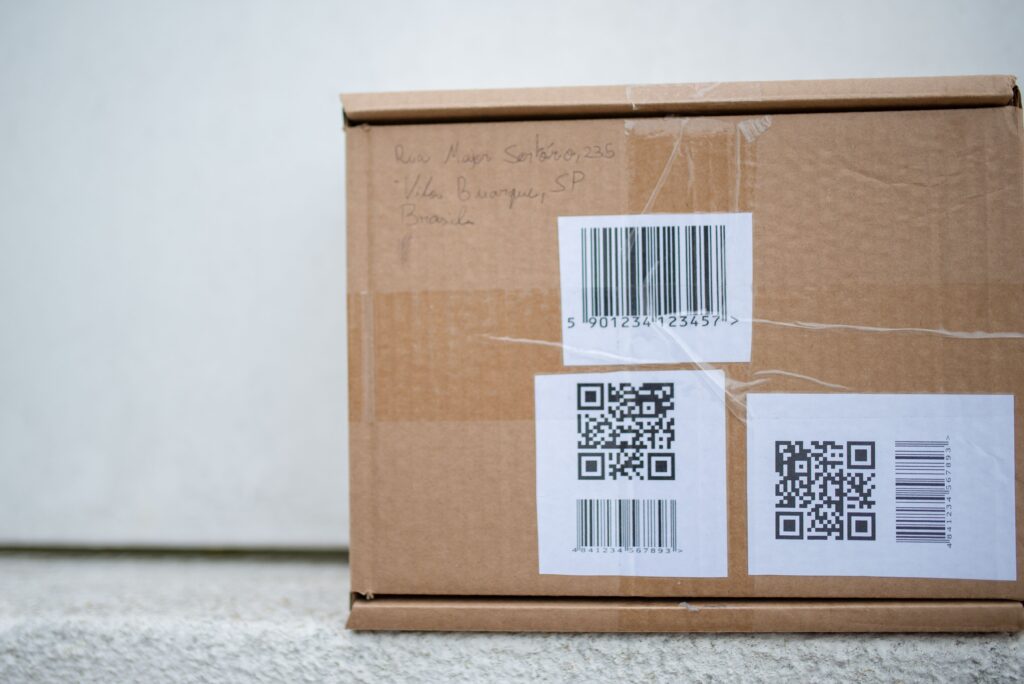
The digital product passport will be based on clear data logic. GS1 standards provide a reliable, internationally recognized framework for linking a physical product to its digital record.
Much more than just a GTIN code
The GS1 system makes it possible to identify not only the product itself, but also logistics units or locations, and to seamlessly link them to sustainability metrics, composition, and compliance documents.
One data language for all markets
The greatest value is realized when operating in export markets. GS1 ensures that manufacturers, logistics partners, and retail chains exchange information in a standardized format that is understandable to all.
Smart scanning for consumers and partners
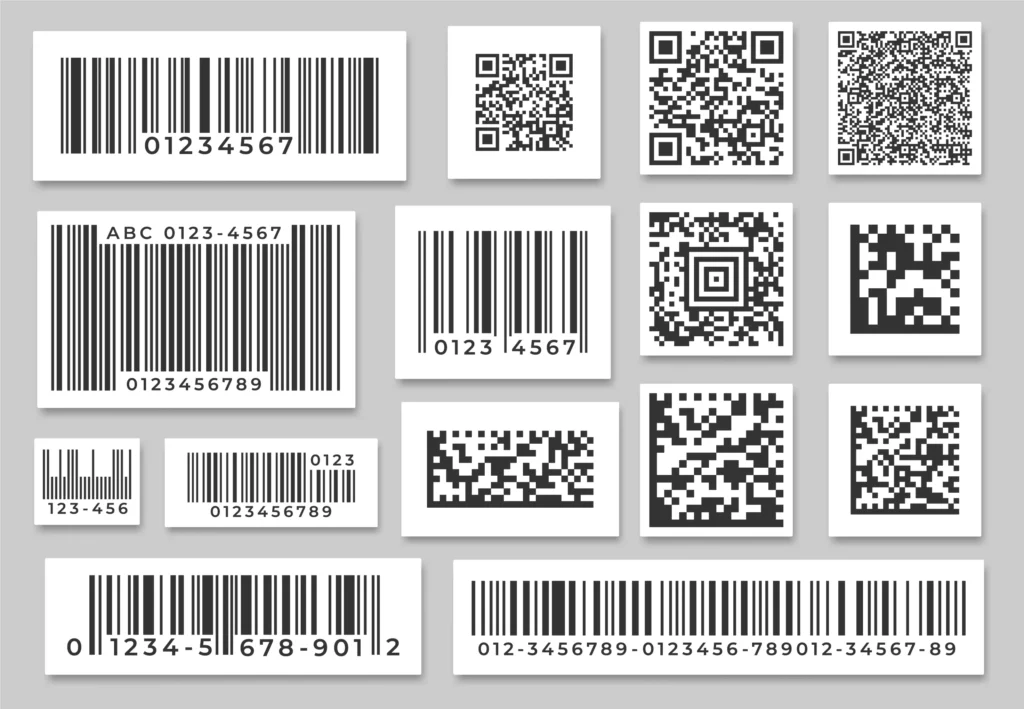
Scanning a next-generation GS1 code can reveal not only sales information but also a complete set of data related to packaging, maintenance, and sustainability—data that EU institutions will require.
Why Is Delay Dangerous? Deadlines and Risks
Although GS1 itself is not a new piece of legislation, its importance will increase dramatically in 2026–2027, when mandatory traceability requirements for DPP and packaging (PPWR) take effect in the EU.
Data Chaos: Without applying GS1 logic, discrepancies arise between systems, leading to incorrect information in declarations and incompatibility with business partners.
Compliance Risk: Without a reliable link between the physical product and its digital data, products simply will not be able to comply with the new EU transparency regulations.
Penalties and Restrictions: Poor traceability can result in fines from regulatory authorities, market restrictions, or even a requirement to remove products from the market.

What Should You Do Right Now? A Practical Action Plan
In the past, GS1 was merely a technical requirement for the retail industry, but today it serves as the infrastructure for your business’s compliance and growth. UAB “VYGĖJA” helps ensure a smooth transition:
Identifier Audit: We verify that all your products have unique codes and that the same product isn’t described differently across your company’s various systems.
Data Structure Management: We align the technical logic of product labeling with the actual needs of your business and future EU regulatory requirements.
Preparing digital interfaces: We create a foundation so that a single product identifier will seamlessly lead to a comprehensive set of digital DPP data in the future.
FAQ – GS1 Standards and Sustainability Data
What is GS1?
GS1 is a global standards system designed for product identification and the seamless exchange of data throughout the supply chain. UAB “VYGĖJA” helps you apply these standards to your company’s data structure.
Is GS1 only needed for barcodes?
Absolutely not. Today, GS1 standards are the cornerstone of digital traceability, logistics, sustainability information (DPP), and packaging data management.
How is GS1 related to DPP?
GS1 serves as a reliable “bridge” that links a specific physical product to its Digital Product Passport (DPP) record, thereby ensuring consistent data identification across all systems.
When is it a good idea to start implementing GS1 logic?
As soon as possible. Since EU traceability requirements will become stricter as early as 2026–2027, upgrading the infrastructure now will help avoid chaos and rushed decisions in the future. UAB “VYGĖJA” helps prepare for this in stages.