
EUDR: Deadlines and Requirements
The EUDR (European Union Regulation on Deforestation-Free Products) fundamentally changes the approach to the origin of raw materials and supply chain responsibility. From now on, products supplied to or exported from the EU market must have irrefutable proof that they are not linked to deforestation.
For Lithuanian companies, this means new, stringent challenges in data traceability. UAB “VYGĖJA” helps manage this information, standardize documentation, and prepare for EUDR compliance without stress or costly mistakes.
Who is subject to the EUDR, and when does it take effect?
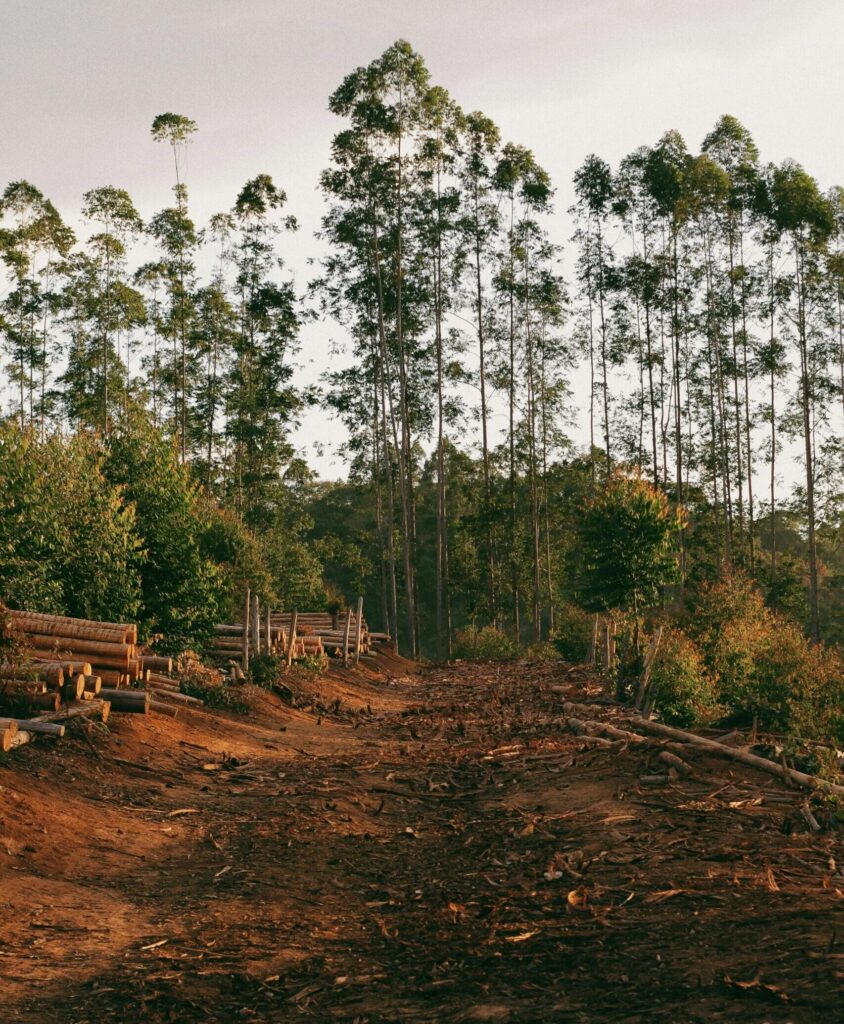
This regulation will affect not only primary importers, but also manufacturers, processors, and brand owners who use high-risk raw materials or products made from them in their operations.
Key date: December 30, 2026
As of today, the relevant products must fully comply with the requirements of the regulation. Preparations must begin well in advance, as collecting origin and geolocation data from different suppliers takes a significant amount of time.
Which products are covered?
The regulation strictly covers raw materials most closely associated with deforestation: timber, soy, cocoa, coffee, palm oil, rubber, cattle, and certain products made from them (e.g., paper, packaging).
What must companies demonstrate?
A general supplier declaration sent via email will no longer be sufficient. Companies will be required to provide substantiated, verifiable geolocation information proving that the product was manufactured without destroying forests and in strict compliance with the laws of the country of origin.
Severe consequences for noncompliance
Supply and Export Restrictions: Products lacking the required documentation of origin will be blocked and will not be allowed to enter the EU market.
Hefty fines and confiscation: Fines can reach up to 4% of a company’s annual EU turnover, and non-compliant goods and the revenue generated from them may be confiscated.
Reputational damage and business restrictions: Violators will be publicly named, and temporary bans on participating in public procurement or receiving public funding are also anticipated.


How UAB “VYGĖJA” Turns the EUDR into a Managed Process
The EUDR regulation is essentially a challenge in terms of data traceability. UAB “VYGĖJA” helps your business transition from chaotic supplier documentation to a structured and auditable system.
- Data Structuring: We identify which of your products fall within the scope of the EUDR and help you collect missing information from suppliers (geolocation, origin data).
- Documentation Standardization: We help create a centralized data model and implement a more practical due diligence process within your company.
- Transparent supply chain: We set up systems for clearer traceability so that your business won’t be caught in a rush or panic as the 2026 deadline approaches.
FAQ – EUDR
What is the EUDR?
The EUDR is an EU regulation aimed at ensuring that products placed on the EU market are not linked to deforestation. UAB “VYGĖJA” helps companies manage and organize the traceability data required by this regulation.
When do the EUDR requirements take effect?
The main implementation deadline is December 30, 2026. However, due to the complex and time-consuming process of supply chain traceability, it is necessary to begin managing databases and collecting information as early as possible.
Which products are subject to the EUDR?
The regulation applies directly to timber, soybeans, cocoa, coffee, palm oil, rubber, cattle, and certain products made from them (such as paper, packaging, furniture, and chocolate).
Where should you start when preparing for EUDR compliance?
The first step is to assess your product portfolio and determine your company’s role in the supply chain. Next, you need to start collecting geolocation and origin data from suppliers. The team at UAB “VYGĖJA” helps systematize this process and make it easier to manage.